

Designing Custom Closets around Windows and Doors
Windows and doors are key elements in any home's design, providing essential light and ventilation. When it comes to designing custom closets, it's important to consider these architectural features and incorporate them seamlessly into your storage solutions. In this blog post, we will explore various design ideas and tips for creating functional and visually appealing closets around windows and doors.
1. Utilize the Space
One of the challenges in designing closets around windows and doors is to optimize the available space. Custom closet systems offer a great solution by making use of every inch efficiently. Consider designing a closet with built-in shelves and drawers that align with the window or door frame. This way, you can maximize storage without obstructing the functionality of these features.
2. Incorporate Natural Light
Windows provide natural light, which is essential for any space. When designing a custom closet, don't block the windows completely. Instead, take advantage of the natural light by positioning the closet away from the direct light path. Use translucent or frosted glass panels on closet doors to allow light inside while maintaining privacy.
3. Blend with the Architecture
To ensure a seamless integration, consider matching the closet's style and materials with the existing architecture. If your windows and doors have a traditional design, opt for closet doors that mirror that style. Similarly, if your home features modern architecture, choose sleek and contemporary closet designs.
4. Customize for Functionality
Custom closets are all about functionality. Take into account your specific storage needs and design the closet to accommodate them. For example, if you have a window seat or a bay window, integrate built-in seating and additional storage beneath it. If your door opens inward, design the closet's layout to allow for easy access without obstructions.
5. Enhance with Lighting
Installing proper lighting in your custom closet can significantly improve its functionality and aesthetics. Consider adding built-in LED lights to illuminate shelves, hanging rods, and drawers. Additionally, place lighting fixtures strategically near the windows and doors to create a balanced and visually appealing ambiance.
6. Consider Privacy
While windows provide natural light, they also require privacy considerations. Depending on the location of your closet and adjacent windows, you may want to install window treatments like blinds or curtains. Ensure that your closet design takes these treatments into account and allows for easy operation without interfering with the storage system.
7. Maintain Accessibility
Designing a custom closet around windows and doors should not sacrifice accessibility. Ensure that your closet design doesn't hinder the functionality of these architectural elements. Windows should still open and close smoothly, and doors should operate without obstruction. Consider sliding or bifold closet doors to conserve space and maintain ease of use.
8. Optimize Storage Solutions
To maximize the storage capacity of your custom closet, think vertically. Utilize the height of the room by installing floor-to-ceiling shelving or incorporating hanging rods at varying heights. This way, you can efficiently organize your belongings while making the most of the available space.
9. Create Visual Appeal
Designing a custom closet is not only about functionality but also about creating an aesthetically pleasing space. Consider adding decorative elements like textured glass, stylish door handles, or unique hardware to elevate the visual appeal of your closet. Don't be afraid to experiment with different materials and finishes to match your personal style.
10. Seek Professional Help
Designing custom closets around windows and doors can be a complex task. It's always a good idea to seek professional help from interior designers or closet specialists. They can provide expert guidance, tailored design solutions, and help you bring your vision to life while ensuring a seamless integration with the existing architectural elements.
In conclusion, designing custom closets around windows and doors requires careful consideration of space, functionality, and aesthetics. By optimizing the storage solutions, incorporating natural light, and blending with the surrounding architecture, you can create a closet that not only meets your storage needs but also adds value to your home.
designing custom closets around windows and doors Picture Windows
 Single Double Hung Windows
 Tilt & Turn Windows
 Sliding Windows
 Bi-Fold Windows
 Gliding Patio Doors
 Bi-Fold Doors
 Lift and Slide
  Entry Doors
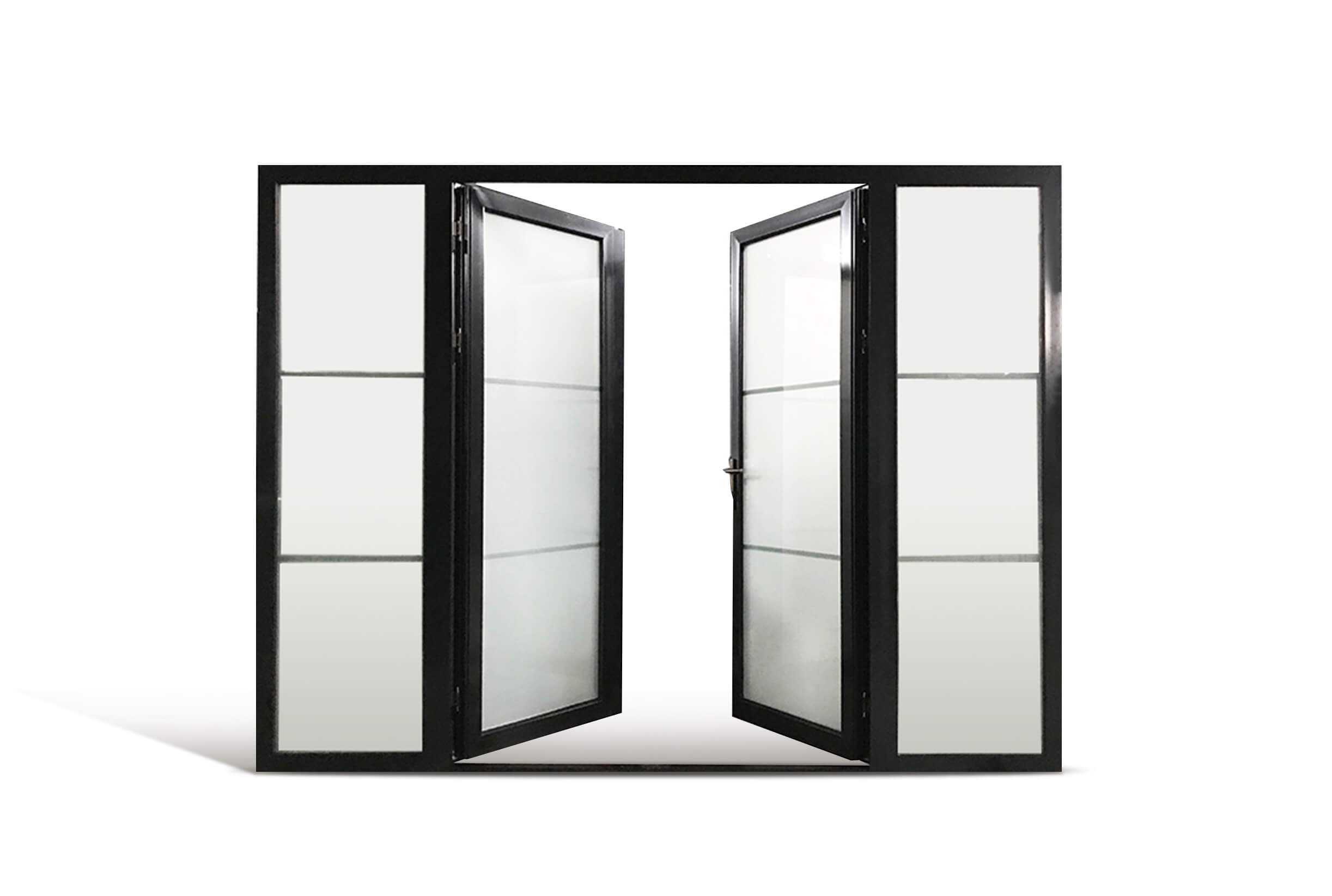
 Swinging Doors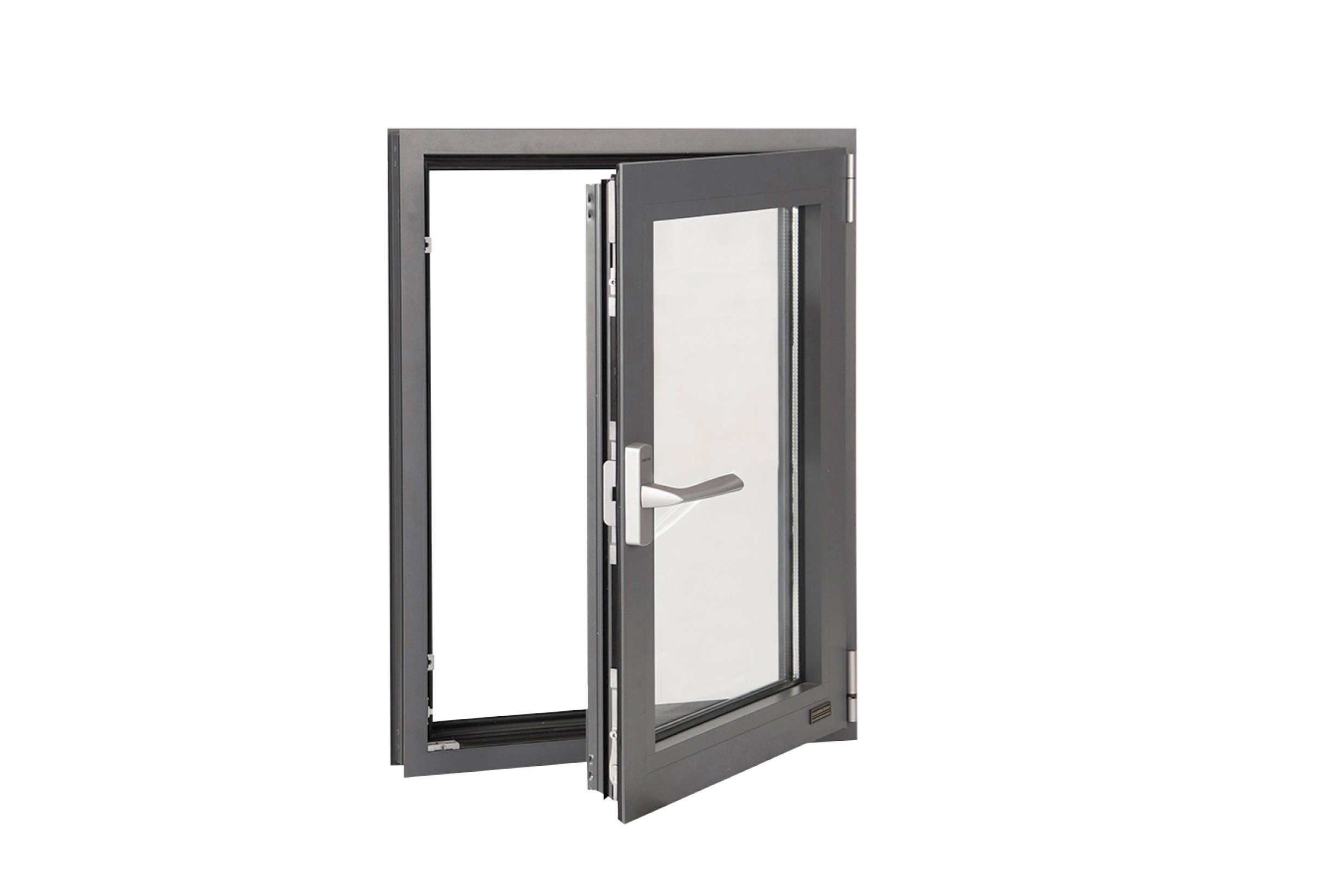


.jpg)
.jpg)